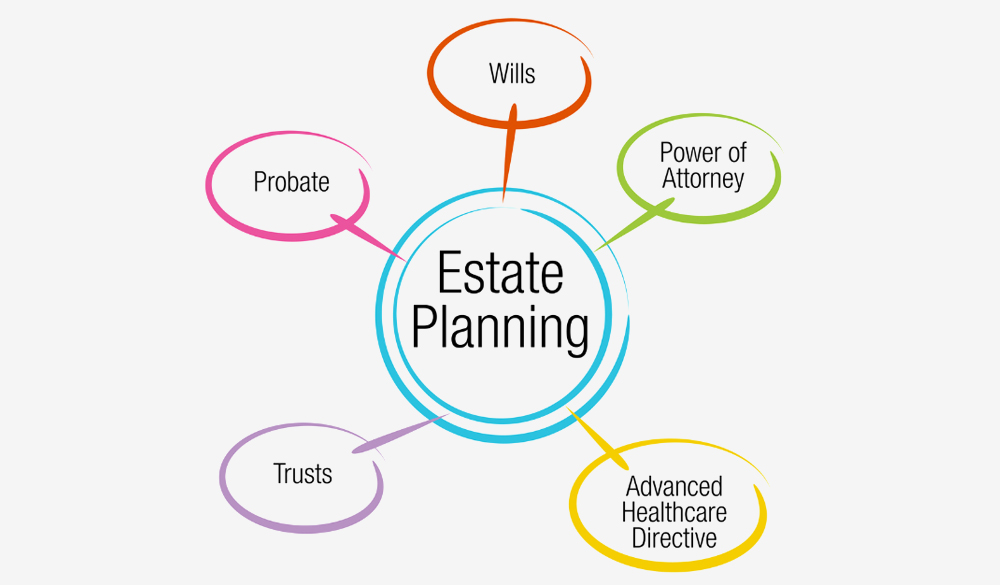
This material has been prepared for informational purposes only and is not intended to provide any estate planning and taxation advice, and therefore should not be relied on for estate planning advice. You should consult your Estate planning professional before engaging in any estate planning activity and related transaction. This Estate planning article has been written from the perspective of families with children under 18 years.
This Estate planning article has been written from the perspective of families with younger children under 18 or 19 years of age.
This also means that when an employee is hired, and the participation is either 75% or 85%, and they choose to refuse benefits, they refuse all benefits. The employee cannot pick and choose what benefits they want. It is all or nothing.
The employee can waive health and dental if they have a spouse who is covered under a plan through their employer, he/she would then take the Pooled Benefits (Life, Accidental Death and Dismemberment, Dependent Life (if common-law or married) Disability, Critical Illness (if employer has taken this option). In fact if the member waives the health and dental, it is mandatory that they take all other benefits.
Even though your contract may state non mandatory, meaning it is only required for 75% or 85% of all eligible employees working 20 hours a week, it is important to explain to the employee why they should be on the plan.
Example
You have an employee who you have just recently hired and your policy has a three month waiting period to enroll the employee. This employee is adamant that they do not want coverage at all. In this situation you can have this person fill out a refusal of all benefits form, with dates and signatures of both parties involved for the personnel file. They have now agreed that they do not want to be part of the plan. If down the road, the member then states they want to be a part of the plan, they then fill out a detailed medical form. This is called the late applicant process. If single they answer medical questions about them, if married or common-law they answer medical question about themselves, their spouse and any dependent children. Once they send this in to the medical underwriting department, a couple of things might happen.
To summarize, is that so many employees indicate that they do not need the benefits plan because they feel healthy and that nothing serious will happen to them. What they need to understand is that the vast majority of people who have become sick or disabled have felt healthy at one point or another in their life.
You may be interested in

Understanding Wills in Canada: Protecting Your Legacy and Your Family
Planning for the future is something many of us tend to put off, but few documen...

Employee and Family Assistance Program (EFAP)
In today’s fast-paced and often demanding work environment, employees face a wid...

Understanding Plan Member Benefits Eligibility in Canada
In today’s competitive job market, comprehensive employee benefits are essential...